Selective Endothelial Replacement for Fuchs' Dystrophy and Corneal Endothelial Failure
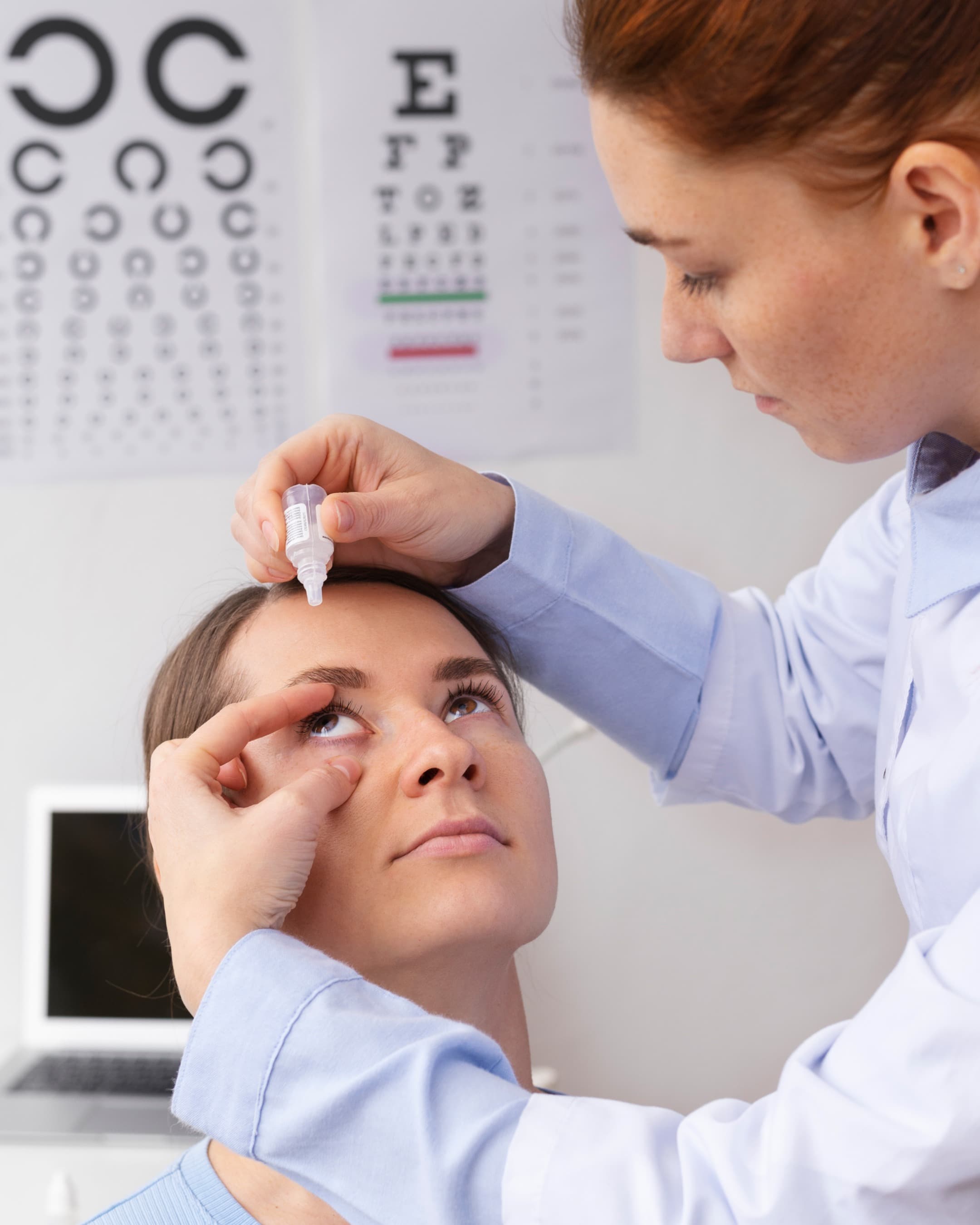
DMEK (Descemet Membrane Endothelial Keratoplasty) is the most advanced form of corneal transplant, replacing only the diseased innermost layer of the cornea with ultra-thin donor tissue. It delivers faster recovery and superior visual outcomes compared to all previous techniques, with no external sutures and a significantly reduced rejection risk.
DMEK is a partial-thickness corneal transplant in which only the Descemet membrane and endothelium — the innermost 10–15 microns of the cornea — are replaced with healthy donor tissue. The endothelium is the cell layer responsible for keeping the cornea clear and dehydrated; when it fails, the cornea swells and vision deteriorates progressively.
Endothelium-Only Replacement
Unlike traditional full-thickness transplants, DMEK preserves the patient's own stroma and epithelium, leaving the structural integrity of the cornea largely intact for faster, more stable recovery.
Suture-Free Adhesion
The donor graft is delivered through a small incision and held in position by a sterile air bubble, which adheres naturally within the first 24 to 48 hours — no sutures required.
Specialist Expertise
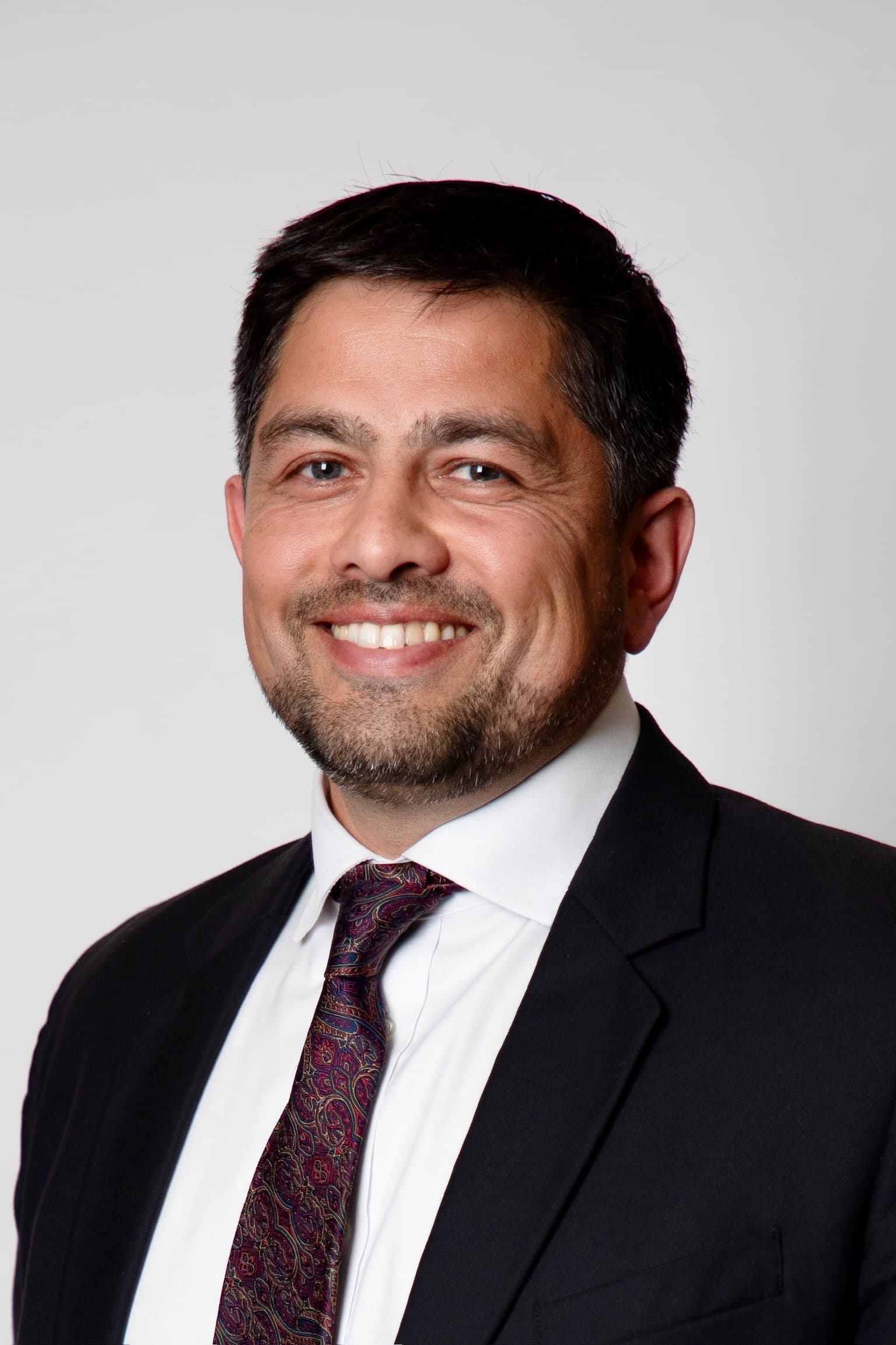
At The Eye Doctor, DMEK is performed by Professor Irfan Jeeva — a consultant ophthalmologist with specialist corneal expertise — using precision technique and quality-assured donor tissue.
Conditions Treated with DMEK
DMEK is indicated for any condition causing isolated endothelial failure, where the outer corneal layers remain structurally sound.
Fuchs' Endothelial Dystrophy: Genetic loss of endothelial cells causing progressive corneal clouding and reduced acuity.
Bullous Keratopathy: Corneal oedema and blistering following cataract surgery or other intraocular procedures.
Failed Corneal Transplant: Re-grafting where a previous transplant has lost endothelial function.
Consultant Ophthalmologist — DMEK & Corneal Surgery
Dr Fayyaz Musa is a UK-trained consultant ophthalmologist with extensive experience in advanced corneal surgery, including DMEK. He helps patients restore clarity of vision through precise, safe, and evidence-based treatment.
Driven by a desire for open and honest communication, Dr Musa explains every detail so you can make an informed choice. His meticulous approach and dedication to patient care ensure you remain in safe hands throughout your journey.
Fellowship-trained expertise
Open and honest advice
Customised care for each patient
Google Reviews
Read About Our Happy Patients
★★★★★
What a great experience! Very reassuring and I am very grateful for the consultation from Dr Musa he was so helpful in helping me make a decision to proceed to having eye correction surgery. I have the upmost confidence in him and the team at the Eye Doctor Clinic, Huddersfield.
Lozza 747
★★★★★
I had implants with Dr Musa ten years ago. It was the best thing I've ever done. They are brilliant. My sight both near and distant was very poor but since the op I've had no glasses no lenses and my sight has been super. It remains really good to this day. Thank you Dr Musa. Brilliant consultations and treatment for glaucoma since.
Kay Fitbit
★★★★★
I can highly recommend the Eye Doctor Clinic, and I am so pleased I went there. Dr Musa, Gemma and Jess are lovely. They are very knowledgeable and were able to answer all my questions. My vision following surgery is great, and not having to wear glasses is fantastic.
Carol Peel
★★★★★
I recently had LASEK eye surgery - Dr Musa and team were excellent - pre and post op care is exceptional - highly recommend
Michelle Cowan
★★★★★
Very friendly and professional service. Felt I was in safe hands throughout all my procedures both pre and post operation. Would totally recommend the Eye Doctor to anyone who is looking to improve their vision.
Allison Whitmarsh
★★★★★
Dr Musa was recommended to me for my cataract surgery for both eyes. He performed the surgery with utmost care and professionalism. He explained the procedure and outcome to me with detail. I am very pleased with the result so far and look forward to years of spectacle free life. He was warm and friendly and the cost of the procedure was explained at the outset with no hidden costs. I will highly recommend him to anyone who wants their cataracts doing. Thank you Dr Musa.
Soghra Ali
★★★★★
Dr Musa was highly recommended to me for cataract and glaucoma surgery. He has been very supportive and helpful and has also conducted laser surgery and has removed the need for me to wear glasses. I cannot recommend him enough as from day one I felt comfortable and relax with him. I am really pleased with the outcome and am grateful for his support during a difficult period. Thanks again.
Graham Duckitt
★★★★★
Had lens replacement in both eyes 2 weeks apart and vision is now perfect. After wearing varifocal glasses and contact lenses for numerous years decided to have multi focal lens replacement. Dr Musa explained everything beforehand and ensured I fully understood what would happen. During the operations he ensured I was comfortable and kept me informed of what was happening. Post operative care was excellent too. I fully recommend Dr Musa to anyone considering eye surgery as his expertise, knowledge and manner are second to none.
Rob Hardy
Common Questions
DMEK Surgery FAQs
A full-thickness corneal transplant (penetrating keratoplasty) replaces all layers of the cornea and requires multiple sutures, with a lengthy recovery. DMEK selectively replaces only the innermost 10–15 microns — the Descemet membrane and endothelium — leaving the remainder of the cornea intact. This results in faster recovery, fewer complications, and superior final visual acuity in suitable candidates.
Initial improvement is often noticeable within the first four to six weeks as corneal oedema resolves. Full visual clarity typically develops over three to twelve months as the graft settles and corneal tissue normalises. Some patients achieve excellent vision within three months; others take longer depending on the underlying condition and donor tissue quality.
Rejection is possible with any corneal transplant, but the risk with DMEK is substantially lower than with full-thickness grafts — largely because only a very thin layer of foreign tissue is implanted. Rejection episodes, if they occur, can often be reversed with prompt intensive steroid drops. Lifelong low-dose topical steroids are typically prescribed to minimise this risk.
Partial or complete graft detachment occurs in approximately 10–15% of cases and is the most common complication of DMEK. It is managed by returning to theatre for a re-bubbling procedure, in which air is re-injected to re-appose the graft. This is a straightforward procedure and does not typically compromise the long-term outcome.
Yes — long-term topical steroid drops are standard following DMEK to suppress the risk of immune rejection. The frequency is reduced gradually over the first year and then maintained at a low maintenance dose. Regular follow-up ensures the dose is adjusted appropriately and any side effects, such as raised intraocular pressure, are monitored.
Private Medical Insurance
Associated Insurance Providers
We accept referrals and direct bookings from leading private medical insurers, making specialist consultant-led eye care straightforward and hassle-free.