









Corneal Cross-Linking

CXL for Keratoconus

The only proven treatment to halt keratoconus progression. Corneal cross-linking uses riboflavin and UV-A light to create new bonds between collagen fibres, stiffening and strengthening your cornea, preventing further thinning and reducing the risk of needing a corneal transplant.

60–90 minProcedure time
90%+Success rate
Same dayGo home after procedure
★★★★★4.9 · Google Reviews
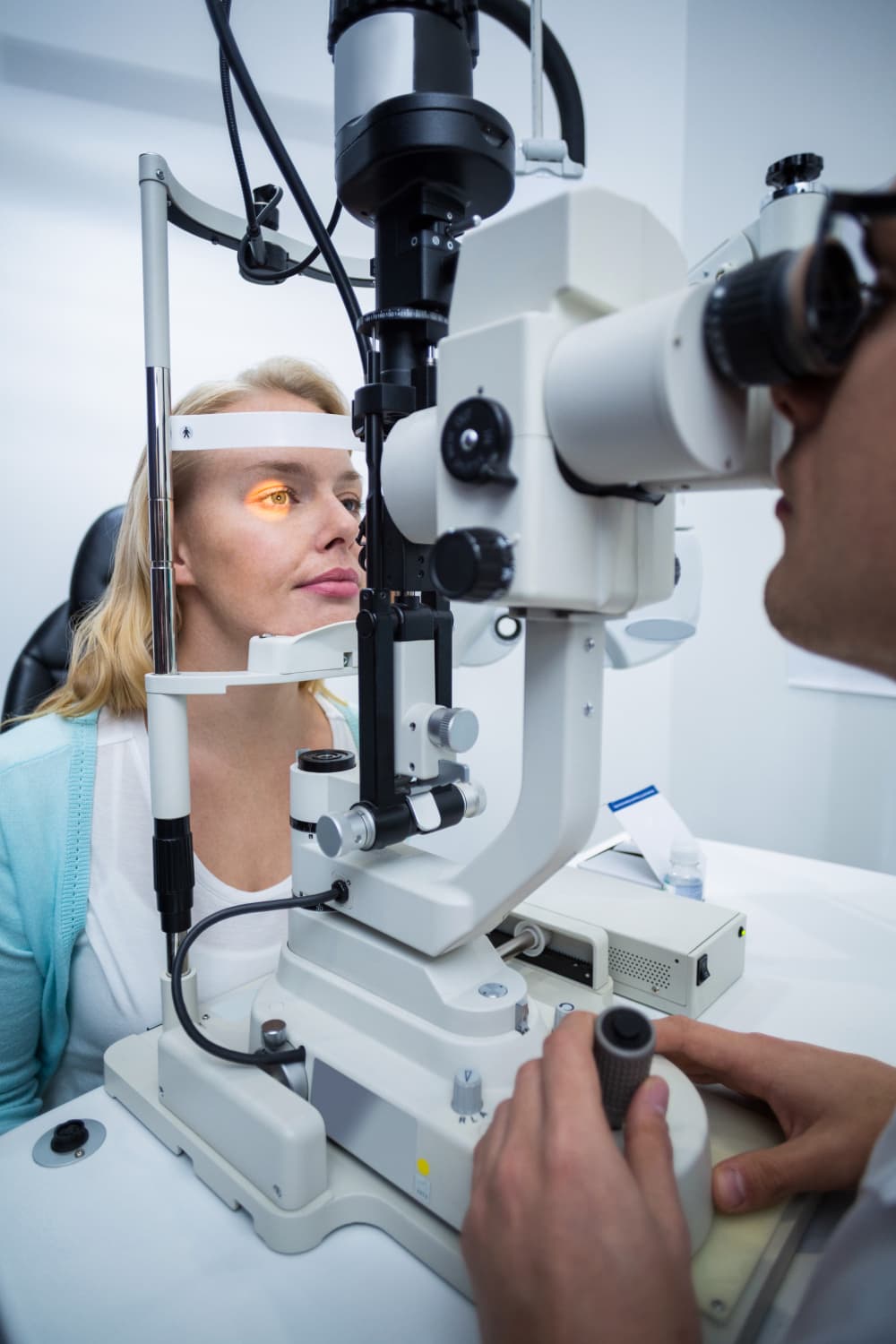
Corneal cross-linking procedure at TheEyeDoctor clinic

Quick Reference

CXL at a Glance

Procedure Time

60–90 min

Anaesthetic

Local drops

Comfortable, no needles.

Recovery

1–2 weeks

To normal activities.

Time Off Work

1 week minimum

Bandage lens removed day 5–7.

Success Rate

90%+

Halt progression.

Procedure Cost

From £2,500

per eye, all aftercare included.


Understanding The Procedure

How Cross-Linking Works

Your cornea is made of layers of collagen fibres arranged in a precise pattern. In keratoconus, the bonds between these fibres weaken, causing the cornea to thin and bulge progressively. Cross-linking reverses this weakening by creating new, stronger bonds.

Riboflavin Soaking

Riboflavin (vitamin B2) is soaked into your cornea over 30 minutes. It acts as the photosensitising agent that triggers new collagen bonds, and as a protective UV shield.

UV-A Light Application

A focused UV-A light is applied for 30 minutes. It interacts with the riboflavin to generate reactive oxygen species that create new covalent bonds between collagen fibres.

Strengthened Cornea

The result is a significantly stiffer, stronger cornea that resists further deformation. The procedure halts keratoconus progression with a 90%+ success rate.

Close-up of an elderly woman's eye

Signs You May Need Corneal Cross-Linking

Keratoconus progresses silently — early intervention is key. You may benefit from CXL if you are experiencing any of the following:

Progressive corneal thinning (keratoconus or ectasia).

Increasingly blurred or distorted vision.

Frequent changes to your glasses or contact lens prescription.

Difficulty with contact lenses (frequent slipping or discomfort).

A family history of keratoconus.

Astigmatism or myopia that worsens over time.

Our specialist will assess your eye pressure and optic nerve health to confirm whether treatment is right for you.


Why Choose Us

Key Benefits of Corneal Cross-Linking

Halt Progression

The only treatment proven to stop keratoconus progression with a 90%+ success rate.

Prevent Transplant

Avoid the need for corneal transplant surgery by halting corneal thinning early.

Minimally Invasive

No incisions, no stitches. Your existing cornea is strengthened, not removed.

Fast Outpatient Procedure

60–90 minutes and you go home the same day. Return to daily activities within 1–2 weeks.

Clinically Proven

Over 20 years of clinical evidence and established technique performed worldwide.

Long-Term Solution

Results stabilise over 6–12 months with lasting corneal strengthening.


The Procedure

How Does Corneal Cross-Linking Work?

We assess your cornea thickness, topography, and visual history to confirm you are a suitable candidate for CXL.

Riboflavin (vitamin B2) eye drops are instilled for 30 minutes to saturate the cornea and protect deeper structures.

A focused UV-A light is applied for 30 minutes. The riboflavin and UV light interact to create new collagen bonds.

A bandage contact lens protects the cornea while the epithelium heals over 5–7 days. You go home the same day.

We monitor your corneal stability with regular topography scans over the first 6–12 months to assess treatment success.


Your Treatment Options

CXL Techniques

Epi-Off CXL

Epithelium-Off Cross-Linking (Gold Standard)

The corneal surface layer (epithelium) is gently removed to allow better riboflavin penetration. This is the most effective technique for halting keratoconus progression, with the highest success rate (90%+).

Epi-On CXL

Epithelium-On Cross-Linking (Alternative)

A newer technique that keeps the corneal surface layer intact. Faster healing with less post-op discomfort, but slightly lower efficacy. Used selectively in mild cases.

Accelerated CXL

High-Intensity Accelerated Cross-Linking

Uses higher UV-A light intensity for shorter durations (9–15 minutes). Faster procedure but long-term efficacy data is still emerging. Dr Musa uses standard CXL for maximum proven success.


Your Consultation Process

From your very first call through to long-term aftercare, every step is designed around your comfort and confidence.

01
02
03
04

The Free Phone Assessment

We start with a relaxed 15-minute phone call to understand your keratoconus history, current symptoms, and vision concerns. There is no pressure — just honest guidance on whether clinical assessment makes sense for you.

The Clinical Consultation

Our corneal specialist performs a comprehensive examination including visual acuity testing, corneal topography, pachymetry (thickness measurement), and assessment of your keratoconus stage. We determine suitability for CXL.

The Procedure

You attend our clinic for the 60–90 minute epi-off cross-linking procedure. You are awake but comfortable with anaesthetic drops. You go home with a bandage lens the same day.

The Recovery

The bandage lens is removed after 5–7 days. Discomfort usually settles within 2–3 days. Vision stabilises over 1–3 months. Full effect is achieved over 6–12 months.

01

The Free Phone Assessment

We start with a relaxed 15-minute phone call to understand your keratoconus history, current symptoms, and vision concerns. There is no pressure — just honest guidance on whether clinical assessment makes sense for you.

02

The Clinical Consultation

Our corneal specialist performs a comprehensive examination including visual acuity testing, corneal topography, pachymetry (thickness measurement), and assessment of your keratoconus stage. We determine suitability for CXL.

03

The Procedure

You attend our clinic for the 60–90 minute epi-off cross-linking procedure. You are awake but comfortable with anaesthetic drops. You go home with a bandage lens the same day.

04

The Recovery

The bandage lens is removed after 5–7 days. Discomfort usually settles within 2–3 days. Vision stabilises over 1–3 months. Full effect is achieved over 6–12 months.


Dr Fayyaz Musa – Eye Doctor
Your Surgeon

Dr Fayyaz Musa

MBChB (Edin) FRCOphth (Lon) CertLRS (RCOphth) PGDipCRS

Expert Laser Eye and Cataract Surgeon

Dr Fayyaz Musa is a UK-trained eye surgeon with vast experience. He helps people improve their vision through precise, safe treatments. His work focuses on the eye to address issues like cataracts, excessive glare, and poor vision.

Driven by a desire for open and honest communication, Dr Musa explains every detail so you can make an informed choice. His meticulous approach and dedication to patient care define his practice, so you remain in safe hands.

  • Fellowship-trained expertise
  • Open and honest advice
  • Customised care for each patient

Google Reviews

Read About Our Happy Patients

★★★★★

I had cataract and lens replacement surgery with Dr Fayyaz Musa, and the experience was positive from start to finish. Every member of staff went above and beyond to make me feel comfortable, reassured, and fully informed throughout the entire process. I never felt rushed and always understood exactly what was happening.

Maureen Nursey

★★★★★

What a great experience! Very reassuring, and I am very grateful for the consultation from Dr Musa. He was so helpful in helping me decide to proceed with eye correction surgery. I have the utmost confidence in him and the team at the Eye Doctor Clinic, Huddersfield.

Lozza 747

★★★★★

I can highly recommend the Eye Doctor Clinic, and I am so pleased I went there. Dr Musa, Gemma and Jess are lovely. They are very knowledgeable and were able to answer all my questions. My vision following surgery is great, and not having to wear glasses is fantastic.

Carol Peel

★★★★★

I recently had LASEK eye surgery - Dr Musa and team were excellent - pre and post op care is exceptional - highly recommend.

Michelle Cowan

★★★★★

Luckily, I was advised to see Dr Musa. At the consultation, I was impressed by the thorough examination I received and the surgical plan. I confidently undertook surgery, and after an extremely short recovery, I was amazed at the result. Better than 20/20 vision! I certainly would not now trust anyone else other than Dr Musa with the health of my eyes.

John Hick

★★★★★

Dr Musa was recommended to me for my cataract surgery for both eyes. He performed the surgery with utmost care and professionalism. He explained the procedure and outcome to me in detail. I am very pleased with the result so far and look forward to years of spectacle-free life. He was warm and friendly, and the procedure cost was explained at the outset, with no hidden fees.

Soghra Ali


Take The Next Step

Ready to Halt Keratoconus?

Don't let keratoconus progress unchecked. Our expert team is here to guide you through cross-linking treatment, from your initial consultation to full recovery and long-term corneal health.


Common Questions

Frequently Asked Questions

Keratoconus is a progressive condition where the cornea (the clear front surface of the eye) gradually thins and bulges into a cone shape. This causes increasingly distorted and blurred vision that cannot be fully corrected with standard glasses. It typically begins in the teenage years or early twenties.

Cross-linking creates new chemical bonds between the collagen fibres that give your cornea its structure. By strengthening these bonds, the cornea becomes stiffer and more resistant to further thinning and bulging. It is the only treatment proven to halt keratoconus progression.

The primary goal of CXL is to stabilise your cornea and prevent further deterioration, not to improve existing vision. However, some patients do experience modest improvements in corneal shape and visual clarity over the following months. For vision improvement, additional treatments such as specialty contact lenses or intracorneal ring segments may be recommended.

Most patients experience only mild discomfort during the procedure itself thanks to anaesthetic drops. However, the first 2–3 days after surgery can be uncomfortable, with grittiness, light sensitivity, and watering. Pain medication and lubricating drops are provided, and the discomfort typically resolves by day 5.

The bandage contact lens is removed after 5–7 days once the epithelium has healed. Most patients return to normal activities within 1–2 weeks. Vision may remain blurry for 1–3 months and prescription stability can take 6–12 months. You should take at least 1 week off work.


Private Medical Insurance

Associated Insurance Providers

We accept referrals and direct bookings from leading private medical insurers, making specialist consultant-led eye care straightforward and hassle-free.

WPA
WPA logo
Healix
Healix logo

Not sure if your policy is accepted? Call us on +44 1484 627779 and our team will check your cover.


Contact

Get in Touch

Have questions or need expert advice? Please share your details, and our team will reach out to you.